
Replacing the Roof on an Older Carrollton Home: What Changes for Brick Ranches and Pre-1980 Houses
The shingles are the easy part. On a house built decades ago, the surprises usually sit underneath them.
Request a consultation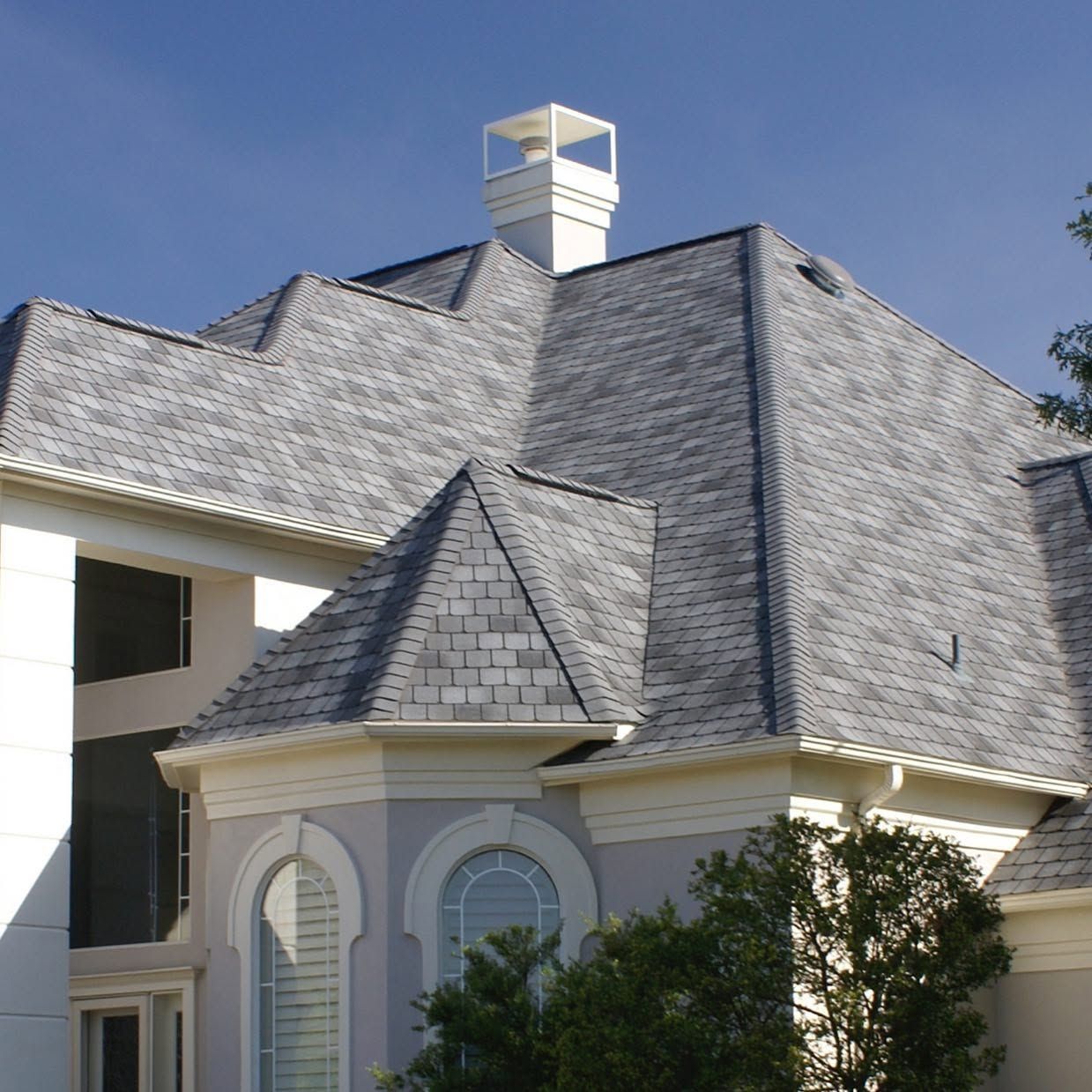
Replacing the roof on an older Carrollton home usually involves more than new shingles. On brick ranches and houses built before 1980, the work often has to deal with board decking instead of plywood, two or more old shingle layers, flashing tied into brick, and attics with little ventilation.
None of that is a reason to put the job off. It simply means the estimate and the schedule should account for what older framing tends to hide, so the price you agree on is not the start of a string of change orders.
In this guide
What a tear-off often uncovers on a pre-1980 roof
The decking is the biggest unknown. Decking is the layer of wood the shingles are nailed to, and on many older homes it is not plywood at all.
Plank or board decking
Houses from the 1950s through the 1970s were often decked with 1x6 or 1x8 boards, sometimes with gaps between them. Gapped boards may not give new shingles a solid surface to fasten to, so some roofers cover them with new sheathing before the underlayment goes down. Whether that is needed depends on the condition and spacing of the boards, which nobody can fully judge until the old shingles come off.
Extra shingle layers
Older roofs were sometimes re-covered by nailing new shingles straight over the old ones. Two layers add weight, hide rot, and leave the decking unseen for decades. A full replacement removes every layer down to the wood, which takes more labor and fills more dumpster space than a single-layer tear-off.
Rot at the edges
Eaves and valleys take the most water, and on an older roof that has leaked slowly for years, the first few feet of decking and the fascia board behind the gutter are common spots for soft wood.
Brick ranches have their own trouble spots
Brick ranches are sturdy houses, but the places where the roof meets masonry need careful work. Flashing, the metal that turns water away at joints, is where most leaks on these homes start.
- Chimneys: the metal around the chimney base should be tucked into the mortar joints, not just sealed against the face of the brick with caulk.
- Walls: where a roof section runs into a brick wall, such as at an addition, step flashing should be woven in with each course of shingles.
- Low-slope sections: carports, back porches and enclosed patios on many ranches have shallow pitches that may need a flat or low-slope roofing system instead of shingles.
- Long eaves: the long, low rooflines of a ranch send a lot of water to the gutters, so sagging or undersized gutters show up quickly.
A chimney with a rusted or missing cap lets rain straight into the flue, and fixing it during the reroof is simpler than coming back later. A chimney cap replacement is easy to fold into the same visit.
Why do older attics run so hot and damp?
Many older houses were built with only small gable vents or a few roof vents and no soffit intake at the eaves. Without steady airflow, attic heat builds up in summer and moisture lingers on cold mornings, which can shorten the life of new shingles and lead to mildew on the underside of the decking.
A replacement is the easiest time to correct this. With the roof open, ventilation can often be reworked, for example with ridge venting and clear eaves, rather than cutting into a brand-new roof later.
How to tell normal wear from deeper problems
Some signs point to tired shingles, while others suggest the structure underneath needs attention. Normal wear looks like granules in the gutters, curled tab edges and faded color. Deeper trouble shows up differently:
- A ridge line that dips or a roof plane that looks wavy from the street
- Soft or springy spots that a roofer notices underfoot
- Daylight through the decking when you look up from the attic
- Dark water stains or crumbling wood on rafters and boards
- Peeling paint or rot along the fascia behind the gutters
A thorough roof inspection before you sign helps sort the two, and a good estimate should explain how replacement boards will be handled if the crew finds more than expected.
What Dedicated Roofing of Georgia brings to an older roof
Older homes reward slow, careful work, and quality craftsmanship is a core part of how Dedicated Roofing of Georgia approaches a roof replacement project. That matters most at brick flashing, edge rot and the other details that separate a roof that lasts from one that leaks at the chimney a year later.
They also work with architectural, three-tab and luxury asphalt shingles as well as metal and flat roofing, which gives a ranch with a low-slope carport or porch a fitting option for each section rather than forcing one material over everything.
Older neighborhoods and west Georgia weather
Carrollton has a good number of mid-century brick ranches and older frame homes, many sitting under mature oaks and pines. Those trees keep summer sun off the shingles but drop limbs in storms and hold moisture on shaded slopes, where algae streaks and moss show up first.
Hot, humid summers bake poorly vented attics, and spring and summer thunderstorms test every piece of old flashing. A decades-old roof that has made it through years of that weather has usually earned some patching, and those patches are often where a tear-off finds the soft decking.
Plan the replacement around what your house needs
Before you compare quotes, ask each roofer how they will handle board decking, extra layers and brick flashing on your home. If you want a roofer in Carrollton who walks through those answers before any work begins, Dedicated Roofing of Georgia is a good place to start. Call 678-562-4926 or set up a free consultation to have your roof looked over.
Older home roofing questions
Can new shingles go over my old roof on an older house?
It is sometimes possible when only one layer exists, but it is rarely the best choice on an older home. Covering the old shingles hides the decking, so any rot or gapped boards stay hidden under the new roof. A full tear-off lets the crew see and fix the wood, install new underlayment, and correct flashing that a layover would simply bury.
Does my brick ranch need new decking?
Not always. Some older board decking is still solid and only needs a few boards replaced. Gapped planks or widespread rot may call for new sheathing over the full roof. The honest answer comes after the old shingles are off, which is why a good estimate explains the plan and pricing method for decking before the job starts rather than leaving it vague.
Could my old roof contain asbestos?
Some roofing and siding products made before the 1980s contained asbestos, most often cement-fiber shingles and certain old felts or coatings. Standard asphalt shingles are a much smaller concern. If your home still has original cement-type shingles or siding, have the material tested before any tear-off begins, since removal of asbestos products follows special handling rules.
Will a new roof change how my older home looks?
It can improve it without changing its character. Many owners of brick ranches choose architectural shingles in a color that suits the brick, which adds depth to a long, low roofline. Replacing dented gutters and a rusted chimney cap at the same time often makes as much visual difference as the shingles themselves.
How long does a replacement take on an older home?
Most take a few working days, though older homes can run longer than newer ones of the same size. Removing several layers, replacing decking, and rebuilding chimney flashing all add time. Weather matters too. Asking how the crew handles an open roof overnight and what happens if they find rot will give you a realistic sense of the schedule.
Do I need a permit to replace the roof on an older house?
Many local governments require a permit for a full roof replacement, and the rules can differ between city limits and unincorporated county areas. Contractors usually handle the permit as part of the job. Ask whether it is included in your estimate, and keep a copy of the final paperwork with your home records for future buyers or insurers.
See what is under your shingles
Ask the questions about decking, layers and brick flashing first, and the rest of the project becomes much easier to plan. Call 678-562-4926 or contact us online.
Request a consultation