
How Much Attic Insulation Does a Carrollton Home Actually Need? R-Values Explained for West Georgia Winters
Cold bedrooms in January and a hot upstairs in July often trace back to the same thin layer above the ceiling.
Request a consultation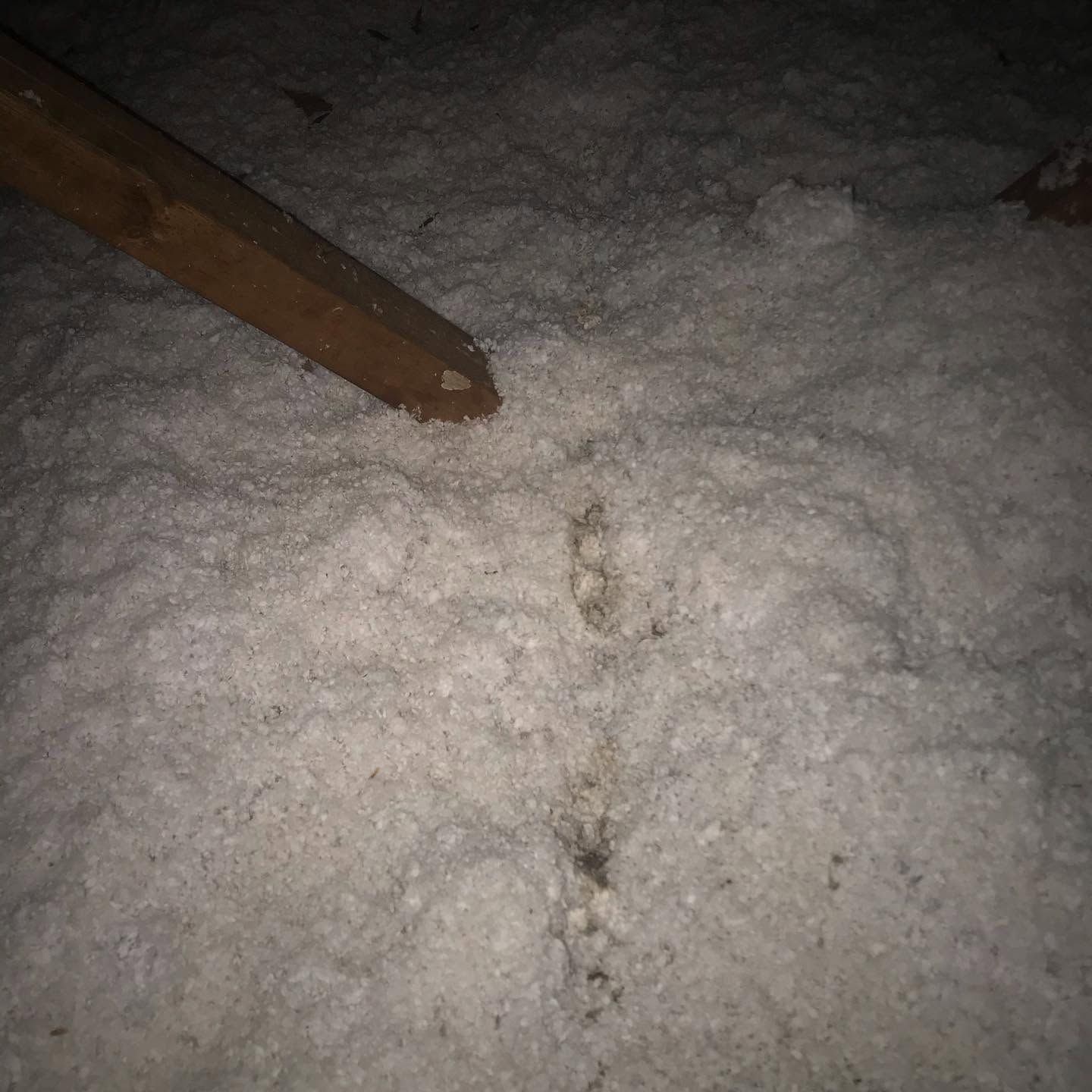
Most Carrollton homes need attic insulation in the range of about R-38 to R-49. The federal ENERGY STAR program recommends about R-49 for an attic in climate zone 3, the zone that covers this part of Georgia, when the attic has little or no insulation, and about R-38 when you are adding to an existing layer.
Plenty of older houses fall well short of that. Insulation settles, gets packed down by stored boxes and foot traffic, and in some homes it was thin from the day the house was built. A layer that looked fine decades ago may be doing half its original job now.
In this guide
What does R-value actually measure?
R-value measures how well a material slows heat moving through it. The higher the number, the better it resists that flow. In winter, it slows heat escaping from your living space into a cold attic. In summer, it slows attic heat from pushing down into the rooms below.
R-values add up. If your attic has a layer rated R-19 and you add R-19 on top, you have roughly R-38. That is why most attic upgrades are a matter of adding depth rather than tearing out what is there, as long as the old material is dry, clean and not damaged by pests or leaks.
Turning R-values into inches
Depth depends on the material. Each type of insulation provides a different R-value per inch, so two attics with the same R-value can look quite different. Approximate figures for common attic materials:
- Blown fiberglass: roughly R-2.2 to R-2.9 per inch
- Blown cellulose: roughly R-3.2 to R-3.8 per inch
- Fiberglass batts: roughly R-2.9 to R-3.8 per inch
Using those figures, reaching R-38 takes somewhere between about 10 and 17 inches, depending on the product. Reaching R-49 takes more. Blown insulation, which is loose material sprayed in with a machine, fills gaps around wiring and framing better than batts, which is one reason it is common for attic top-ups.
How to tell what your attic has now
The quickest check is a ruler or tape measure at the attic opening. Only do this if your attic has safe access, and stay on the framing, since stepping between joists can put a foot through the ceiling.
- Measure the depth in a few spots, not just near the hatch.
- Note whether you can see the tops of the ceiling joists. If you can, the insulation is likely below about R-30.
- Look for bare patches, low spots where boxes were stored, and areas pushed aside by past electrical or HVAC work.
- Check for dark stains, damp spots, droppings or a musty smell.
Damp or stained insulation points to a roof leak or a ventilation problem. That needs attention before any new insulation goes in, or the new layer can get wet too.
Ventilation and insulation have to work together
More insulation does not fix an attic that cannot breathe. Attic ventilation, the airflow in through soffit vents at the eaves and out through vents near the ridge, carries away heat in summer and moisture in winter. If insulation is blown over the soffit vents, it can block that airflow and trap moisture against the roof deck.
A careful installer keeps the eaves open, often with baffles, which are short channels that hold insulation back from the vents. Gaps around attic hatches, light fixtures and pipes also let warm, damp air rise into the attic, so those openings are worth pointing out to whoever does the work.
What a good insulation quote should spell out
A useful quote tells you what you are buying, not just a total. Before you sign, ask the contractor to put these points in writing:
- The target R-value and the installed depth needed to reach it
- The type of insulation and whether it goes over or replaces the old layer
- How soffit vents will be kept clear
- What happens if they find wet, moldy or pest-damaged material
- Whether the attic hatch will be insulated and how cleanup is handled
Two quotes with the same price can deliver very different results if one quietly stops at R-30 while the other reaches R-49.
Where Dedicated Roofing of Georgia fits in
Because insulation and ventilation affect each other, Dedicated Roofing of Georgia handles both attic insulation installation and roof ventilation analysis. That means the airflow question gets looked at alongside the depth question instead of being left for later.
They are a family-owned and operated local contractor, and the approach is patient: explaining what is in your attic now, what level makes sense, and why, before anything is added.
What west Georgia winters ask of an attic
Winters around Carrollton are mild compared with the mountains to the north, but they still bring regular nights below freezing, cold rain and the occasional hard freeze that sticks around for a few days. On those nights, a thin attic layer lets heat drain out of the bedrooms beneath it, and the furnace runs longer to keep up.
Summer is the other half of the story. Long, hot and humid stretches can push attic temperatures far above the outdoor air, and upstairs rooms in older homes and newer two-story houses alike often feel it first. Many homes here also have ductwork running through the attic, so a well-insulated attic helps protect the heated and cooled air moving through those ducts in both seasons.
Find out what is above your ceiling
Start with a measurement and a few photos of your attic, then have a professional confirm what you are working with. When you are deciding who should insulate an attic in Carrollton, Dedicated Roofing of Georgia offers a free consultation that looks at depth and ventilation together. Call 678-562-4926 or request a consultation online.
Insulation questions, answered
Can I add new insulation on top of the old layer?
Usually, yes. If the existing insulation is dry, free of mold and pests, and not compressed into a thin mat, new material can go right on top. The R-values add together. If the old layer is wet, stained, or contaminated by animals, it should come out first, and the cause of the moisture or the entry point should be fixed before anything new goes in.
Is blown insulation better than batts for an attic?
For most existing attics, blown insulation is easier to install evenly. It fills around wires, pipes and odd framing without the gaps that batts can leave. Batts can work well in open attics with regular joist spacing, especially when they are cut carefully. The right choice depends on your attic layout, access, and what is already there.
Can I have too much attic insulation?
Adding more beyond the recommended range usually brings smaller and smaller returns, so going far past R-60 rarely makes sense for a home in this part of Georgia. The bigger risk is not depth itself but blocking soffit vents or covering recessed lights that are not rated for contact with insulation. Those details matter more than squeezing in another few inches.
How long does attic insulation last?
Fiberglass and cellulose can last for decades when they stay dry and undisturbed. What shortens their life is moisture from roof leaks or poor ventilation, compression from storage and foot traffic, and damage from rodents or other pests. Settling also reduces the effective R-value over time, especially with older blown material, which is why measuring depth now and then is worthwhile.
Will more insulation lower my energy bills?
It often helps, especially if you are starting below R-30. How much depends on your current level, how tight the attic floor is, the condition of ducts in the attic, and your heating and cooling equipment. Insulation is one piece of the picture. A home with major air leaks or a struggling system may see a smaller change than one with a simple shortfall.
Does attic insulation help in summer as well as winter?
Yes. The same layer that slows heat escaping in winter slows heat pushing down from a hot attic in summer. In a Georgia summer, that difference shows up most on the top floor and in rooms with low ceilings. Good ventilation adds to the effect by moving hot air out of the attic before it can build up against the insulation.
Know your attic before you add more
A quick measurement and a look at your vents tell you whether you need a top-up, a fix first, or nothing at all. Call 678-562-4926 or contact us online.
Request a consultation