

Filing a Roof Insurance Claim in Carrollton, GA: What to Document and When to Call a Roofer
The storm has passed, something looks wrong up top, and you are unsure whether the camera or the phone comes first.
Request a consultation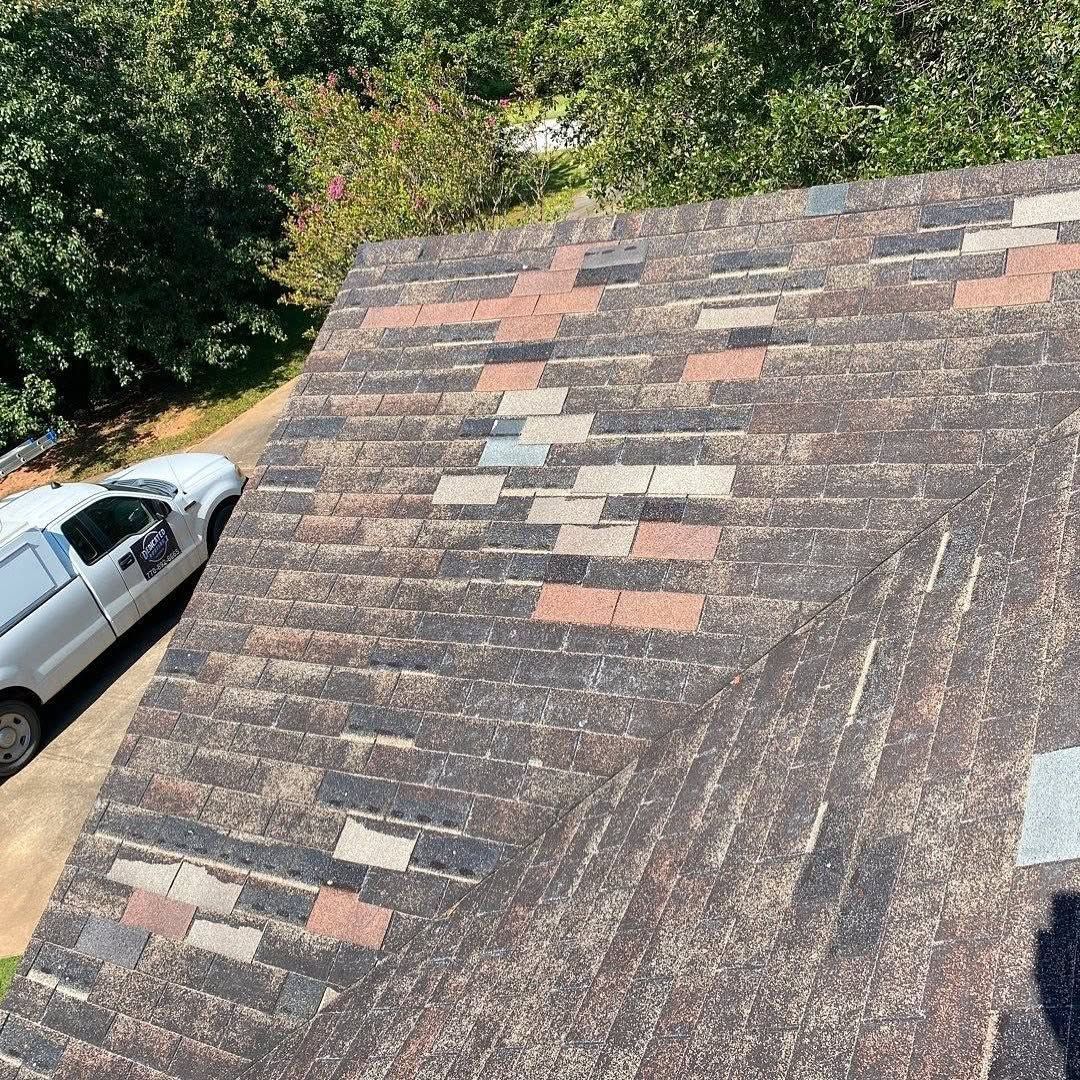
Before you file a roof insurance claim, write down the storm date and take wide and close photos of every damaged spot, inside and out. Have a roofer inspect the roof as soon as you notice damage, and ideally before the adjuster visits, so you know what the roof needs before anyone puts a number on it.
The order matters more than most people expect. An adjuster works from what is in front of them on inspection day. A torn shingle photographed the morning after a storm tells a clearer story than the same spot three weeks later, after more rain and a layer of pine straw.
For Carrollton homeowners, that first hour after the weather clears is usually the best chance to capture the damage as it really happened. Good records will not decide your claim, but thin ones can slow it down.
In this guide
What should you photograph before anything gets cleaned up?
Photograph the damage from the ground first, then work inward. Start with wide shots of each side of the house so anyone reviewing the claim can see where the problem sits, then move closer to the details. Leave branches, shingle pieces and gutter sections where they fell until you have pictures of them.
A good set of storm photos usually includes:
- Each roof slope you can see from the yard or a window, shot wide
- Shingles, ridge caps or flashing lying in the grass or driveway
- Dents in gutters, downspouts, window screens, the mailbox and the AC unit, which often show hail size better than the roof does
- Any fallen limb still resting on the roof, with something nearby for scale
- Ceiling stains, wet insulation in the attic, and drips, with a short video if water is still coming in
Turn on the date stamp if your phone allows it, and do not edit or filter the images. If hail fell, a few pieces set next to a coin or a tape measure before they melt can help show what size the storm actually produced.
Records that matter as much as the photos
Photos show the damage. Paperwork shows the timeline. Start a simple note on your phone with the date and approximate time of the storm, what you heard or saw, and when you first noticed a leak or missing shingles.
Keep every receipt connected to the damage, including tarps, buckets, a hotel night if a bedroom became unusable, and any tree work. Write down the name of everyone you speak with at the insurance company, the date, and what they told you. If you have an older inspection report, a past repair invoice or paperwork from when the roof was installed, set it with the rest. Those records help separate storm damage from wear that was already there, which is one of the first things an adjuster tries to sort out.
When to bring a roofer in, and when it can wait a day
Bring a roofer in quickly when water is coming inside, when a large section of shingles is missing, or when a limb is resting on the roof. Those are the situations where every rain shower adds damage, and many policies expect homeowners to take reasonable steps to limit further harm.
It can usually wait a day or two when the only sign is a few granules in the gutters or a shingle tab lying in the yard and the ceilings are dry. Even then, schedule a professional roof inspection before the adjuster comes out. Hail bruises and lifted shingles are hard to see from the ground, and they often stay quiet until the next heavy storm finds them.
A roofer who has already been on the roof can walk the adjuster through what they found. That keeps the conversation focused on the roof instead of on guesses made from the driveway.
Safe steps you can take without a ladder
Stay off the roof. Wet shingles, loose debris and hidden soft decking cause falls every storm season, and no claim is worth that risk. Everything useful you can do right now happens from the ground or inside the house.
- Move furniture, rugs and electronics away from any drip, and set out buckets or towels.
- If a ceiling bulges with water, keep people out of the room and away from light fixtures in it.
- Turn off power to any room where water is reaching outlets or fixtures.
- Photograph wet ceilings, walls and floors before you wipe anything up.
- Keep damaged materials in a pile outside rather than throwing them out.
Leave tarping and debris removal on the roof itself to a roofing crew. For damage that needs more than a temporary cover, storm damage roof repair is the step that actually closes the roof back up.
How Dedicated Roofing of Georgia handles the claim side
Insurance paperwork is often the most frustrating part of a storm repair, so Dedicated Roofing of Georgia helps with the communication between homeowners and their insurance company. When you are unsure who needs what information, their roof insurance claims help keeps the details moving between both sides. If you would like a roofer present, they can also meet the adjuster at the house with you.
Clear communication is the other piece. You should know what was found on your roof, why it matters, and what happens next, explained in plain words before any work starts. Your policy still decides what is covered, and your insurer makes that call.
Why storm damage in this part of west Georgia often hides
Carrollton sits in the path of the spring and summer thunderstorms that build across west Georgia, and some of them bring hail and straight-line wind. Afternoon storms after a hot, humid day can drop heavy rain in a short burst, which is often when a lifted shingle or a loose piece of flashing first lets water through.
Tall pines and hardwoods shade a lot of yards here. They protect a roof from some sun, but they also drop limbs in high wind and fill valleys and gutters with debris that hides damage from anyone looking up from the lawn. On a shaded roof with algae streaks, fresh hail marks can be harder to pick out, which is one more reason a close inspection beats a quick look from the ground.
Your next step after the storm passes
Take your photos today, then book an inspection before the adjuster visit so you walk into that appointment knowing what is on your roof. For claim support in Carrollton from a local roofer who explains every step, call Dedicated Roofing of Georgia at 678-562-4926. You can also send your storm details online and hear back about scheduling.
Claim questions homeowners ask
Should I call my insurance company or a roofer first?
Many homeowners do both on the same day. Reporting the damage starts the claim clock with your insurer, and an inspection tells you what the roof actually needs. Having the roofer look first can help you describe the damage accurately when you report it, but do not let either step wait long. Your policy may set a time limit for reporting storm damage, so check that section before the week gets away from you.
Will a claim raise my homeowners insurance premium?
That depends on your insurer, your policy and your claim history, so nobody outside the insurance company can promise an answer. Your agent is the right person to ask how a weather claim might affect your rate. Some homeowners ask that question before deciding whether to file for smaller repairs, which is a reasonable thing to do once you know what the damage involves and what a repair would cost.
How long after a hail storm can roof damage show up?
Hail can bruise a shingle without breaking it, crushing the mat underneath while the surface looks fine. That spot may lose granules faster over the following months and start leaking during a later storm. Because the link to the original hail gets harder to prove as time passes, an inspection soon after the storm gives you a record of what the roof looked like while the damage was still fresh.
Do I need to be home when the adjuster comes out?
It helps a great deal. Being there lets you point out interior stains, show your photos and receipts, and ask questions as the adjuster works. If a roofer has already inspected the roof, having them there at the same visit means the person who found the damage can show it directly. Ask the adjuster what happens next and when you should expect to hear back before they leave.
Is a small roof leak worth filing a claim for?
Sometimes it is and sometimes it is not. A small leak can point to wider storm damage that is not visible yet, so it is worth having the roof checked before deciding. If the repair turns out to be minor, compare its cost with your deductible. When the damage is limited, many homeowners choose to pay for a simple repair themselves rather than open a claim for it.
What if I already threw away the damaged shingles?
Do not panic. Photos of the debris, if you took any, still help, and the roof itself usually holds most of the evidence an inspector needs. Write down what you threw away and roughly when, and keep any receipts for cleanup. Going forward, keep damaged materials in a pile or a bag outside until the claim is settled, because a physical piece can answer questions that a picture cannot.
Get the roof checked before the adjuster
A clear look at the damage now makes the rest of the claim easier to follow, and it costs nothing to ask questions first. Call 678-562-4926 or contact us online.
Request a consultation