

Attic Insulation Installation in Whitesburg, GA: Lower Bills, Better Comfort, Longer Roof Life
Attic insulation is one of those home systems that does its job quietly until it stops doing it. By the time most Whitesburg homeowners notice the problem, it has usually been building for a while: rooms that will not stay cool in summer, energy bills that do not match the size of the house, or an HVAC system that runs almost constantly during Georgia heat. Getting the insulation right is one of the more straightforward improvements you can make, and it affects more than just comfort.
What Attic Insulation Actually Does
Insulation slows heat transfer in both directions. In summer, it keeps the heat that builds up in the attic from radiating down through the ceiling into the living space below. In winter, it keeps conditioned air from escaping upward. Without adequate R-value in the attic floor, your HVAC system ends up compensating for what the insulation should be handling.
The Department of Energy recommends R-38 to R-60 for attics in Georgia's climate zone. Most homes built before the mid-2000s sit somewhere between R-11 and R-19, which is a meaningful performance gap. That gap shows up in your monthly energy bill and in rooms that never quite reach the thermostat setting regardless of how long the system runs.
How Attic Insulation and Roof Performance Connect
Most homeowners do not know that attic insulation and roof ventilation are part of the same system, and that getting one wrong affects the other. When insulation is installed without accounting for the soffit vents at the eaves, it blocks the intake airflow that roof ventilation depends on. The result is heat accumulation in the attic that drives up shingle temperatures and shortens the roof's useful life.
Dedicated Roofing pairs its attic insulation installation with a roof ventilation analysis when the situation calls for it, so both systems are working together from the start. Ventilation baffles go in at the eaves before new insulation is laid, keeping soffit vents clear regardless of how deep the insulation layer is.
If a roof replacement or new installation is already planned, addressing attic insulation at the same time is the cleanest approach. The new roof starts with the right conditions, and you avoid scheduling a second project later.
Signs Your Whitesburg Home Needs Better Insulation
Energy bills that run high relative to the size of your home. Top-floor rooms that are noticeably warmer than the rest of the house during summer. An HVAC system that runs almost constantly without catching up. Thin, patchy, or compressed insulation visible when you look into the attic hatch. Moisture staining on decking or framing visible from the attic. Any of these are worth following up on before they develop into larger problems.
What the Installation Process Looks Like
Dedicated Roofing's attic insulation install services start with an assessment of what is currently in place: type, depth, condition, and whether it is interfering with ventilation. Existing insulation that is compressed, moisture-damaged, or blocking soffit vents needs to be addressed before new material goes in.
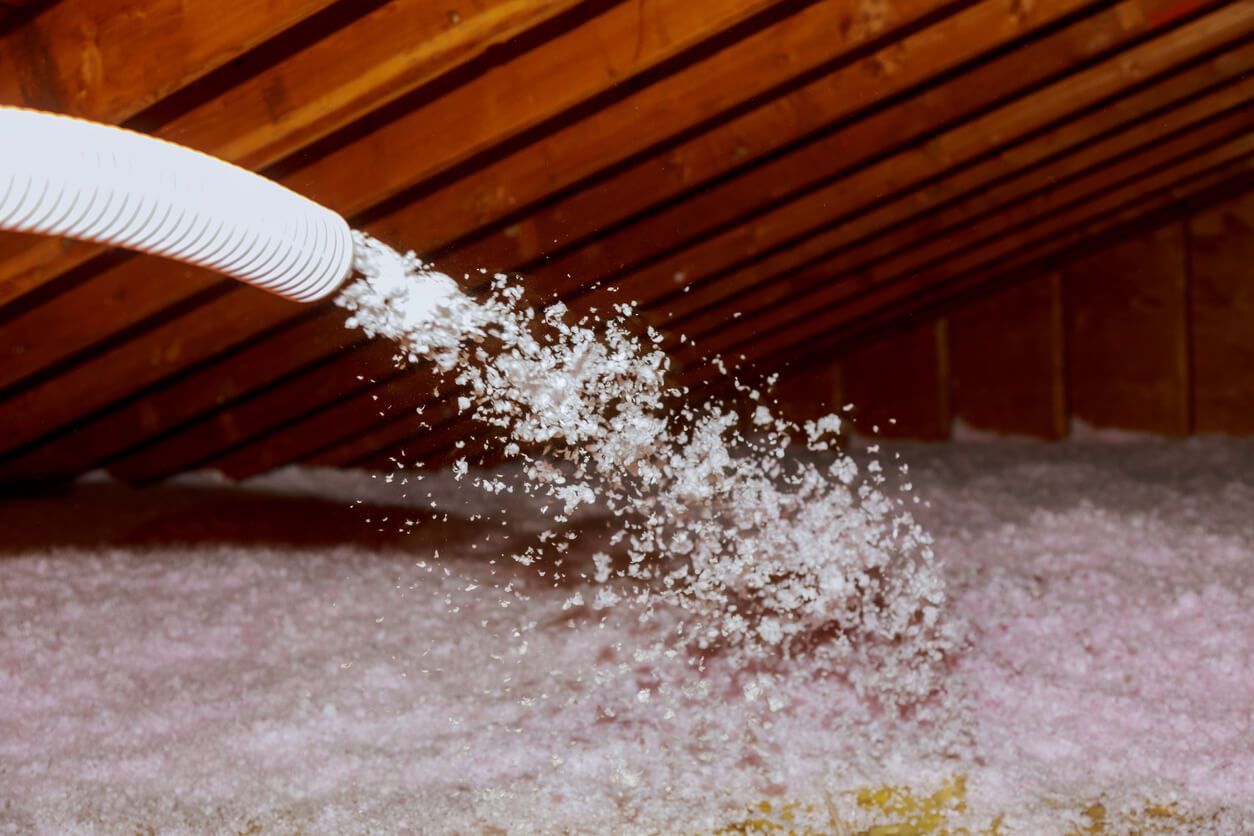
The right approach for new installation, whether blown-in or batt, depends on the specific attic layout and what R-value is being targeted. Most residential attic insulation jobs in Whitesburg are completed in a single day. Baffles go in first. New insulation follows. The result is a properly layered system that manages heat in both directions and keeps the ventilation system functioning as intended.
Schedule an Attic Insulation Assessment in Whitesburg
Dedicated Roofing of Georgia provides attic insulation assessments for homeowners in Whitesburg as a standalone service or alongside any roofing project. The assessment covers current R-value, insulation condition, ventilation interaction, and specific recommendations for your home. Free, no obligation. Contact the team to schedule, or use the online estimate tool to get a preliminary sense of scope before you call.
Frequently Asked Questions About Attic Insulation in Whitesburg, GA
What R-value does my Whitesburg home need?
The Department of Energy recommends R-38 to R-60 for Georgia attics. Most older homes fall significantly below that range, which is where the energy and comfort gap comes from.
How long does attic insulation last?
Fiberglass batt insulation typically performs well for 15 to 20 years before settling reduces its effectiveness. Blown-in insulation can last longer. Moisture damage or pest activity degrades it faster.
Will better insulation lower my energy bills?
Yes. The Department of Energy estimates proper attic insulation can reduce heating and cooling costs by 15% or more, depending on current conditions and how well the rest of the home's thermal envelope is sealed.
Can insulation be installed without affecting my roof?
Yes. Attic insulation is installed from inside the attic. No roofing work is required unless a separate issue is identified during the assessment.
What is the difference between blown-in and batt insulation?
Batt insulation comes in pre-cut panels that fit between joists. Blown-in is loose fill distributed evenly across the attic floor. Blown-in typically achieves better coverage in irregular attic layouts and around obstructions.
Does insulation help with roof longevity?
Yes, indirectly. Proper insulation combined with correct ventilation reduces heat accumulation that causes premature shingle degradation and limits the moisture conditions that lead to decking rot.
What if my attic has old insulation already?
Old insulation that is compressed, wet, or contaminated needs to be removed before new material is installed. Dedicated Roofing assesses current conditions before recommending an approach.