
Asphalt Shingles in Palmetto, GA: What the Differences Actually Mean for Your Roof
Asphalt Shingles in Palmetto, GA: What the Differences Actually Mean for Your Roo
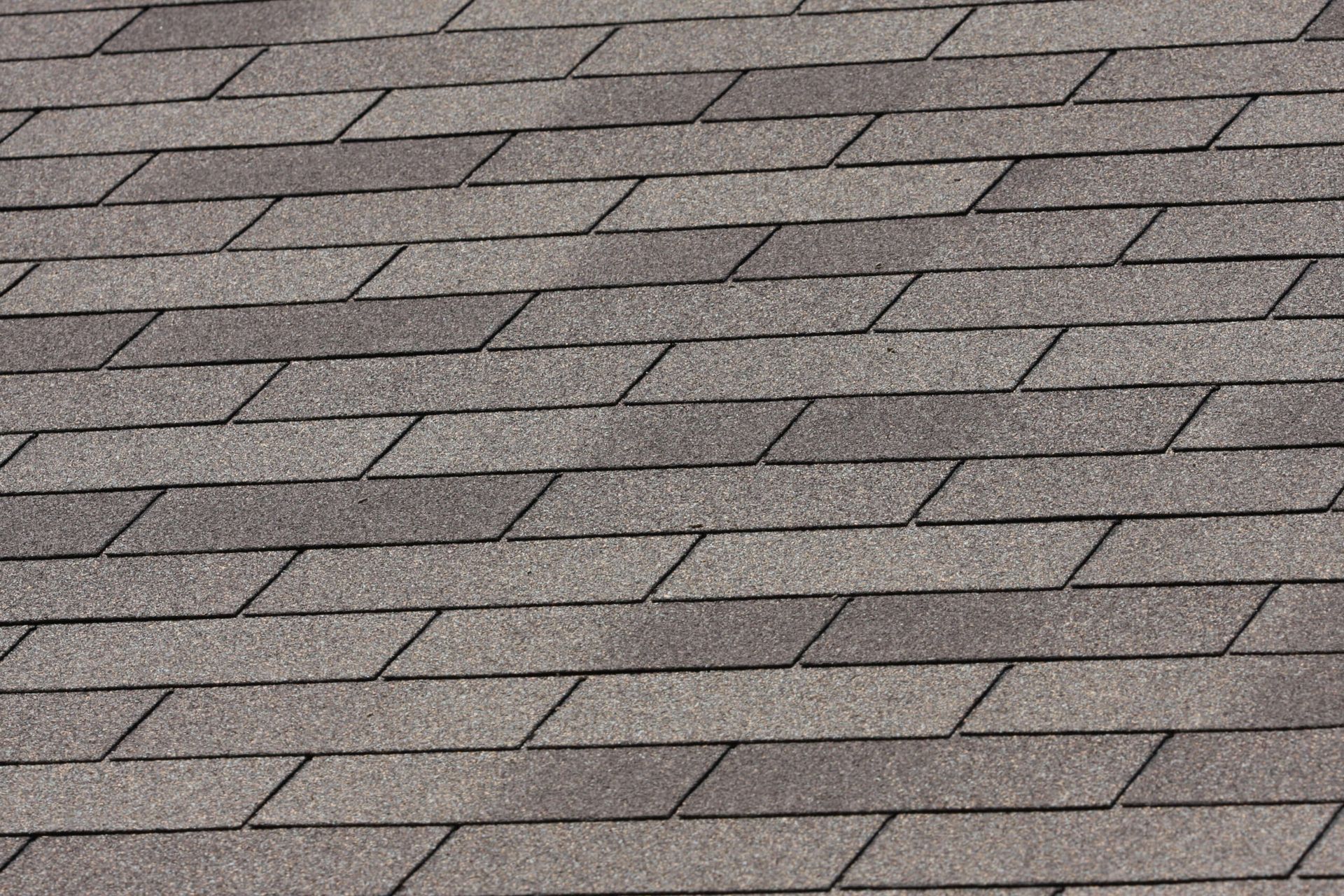
Asphalt shingles are the dominant roofing material in Palmetto for straightforward reasons. They perform well in Georgia's climate when installed correctly, they work across a wide range of budgets, and they are available in enough styles to complement most residential exteriors. But the category covers a lot of ground. A three-tab shingle and a premium architectural shingle are both technically asphalt, but they are not remotely comparable products. Understanding what you are actually choosing between matters for how long your roof lasts and how well it holds up to everything Georgia throws at it.
Three-Tab, Architectural, and Designer: What Separates Them
Three-tab shingles are the older, flat-profile product that was standard for decades. They carry the lowest price point and the shortest lifespan, typically 15 to 20 years. They work for situations where budget is the primary constraint, but most contractors and manufacturers now treat architectural shingles as the minimum worth recommending.
Architectural shingles, also called dimensional or laminate shingles, use a layered construction that produces a thicker, textured profile with meaningfully better durability. Expected lifespan with proper installation and ventilation runs 25 to 30 years. The cost difference over three-tab is smaller than most homeowners expect, and the performance gap is significant enough that architectural shingles are the right starting point for most Palmetto homes.
Designer shingles are at the top of the range, built to replicate the look of slate or wood shake with longer warranties and higher impact resistance ratings. The premium is real, but for higher-value properties or homeowners planning to stay long-term, the math can work in their favor.
Impact Resistance Is Worth a Serious Look in Georgia
Hail is a regular part of Georgia's storm season, and impact-resistant shingles, rated Class 3 or Class 4, hold up considerably better when it comes through. Class 4 is the highest available rating and can handle larger hail with significantly less surface damage than standard architectural shingles. Some insurance carriers in Georgia offer meaningful premium discounts for Class 4 rated materials, which can offset a portion of the cost difference over time.
Check with your insurer before finalizing the material decision. If a discount applies, it changes the cost-benefit picture. If your current roof has already taken storm damage, a storm damage assessment should come first to determine whether repair or replacement is the right move before any material selection happens.
Installation Quality Is Half the Equation
Material selection matters, but installation quality determines how the material actually performs. Manufacturer warranties cover product defects. They do not cover installation errors, and installation errors account for most premature roof failures. Correct nailing patterns, proper starter course application, adequate underlayment, and accurate flashing at every penetration and transition point all affect both performance and warranty validity.
A premium shingle installed poorly will underperform a standard shingle installed correctly. Dedicated Roofing's asphalt shingle roofing process follows manufacturer installation specifications on every job, which is both a quality commitment and what keeps the product warranty intact.
Ventilation and Insulation: The Hidden Variables
Shingles installed over an inadequately ventilated attic degrade faster than their rated lifespan, sometimes significantly. Heat accumulation from below accelerates asphalt oxidation and causes early curling, cracking, and granule loss. A roof ventilation analysis before or during a replacement confirms the attic conditions are set up for the new shingles to perform correctly.
Attic insulation is part of the same system. Poorly insulated attics run hotter in summer and create moisture problems in cooler months. Attic insulation services can be addressed at the same time as roofing work to make sure both systems are functioning correctly from the start. For existing roofs needing maintenance between replacement cycles, roof soft washing removes algae and biological growth without the shingle damage that pressure washing causes.
Schedule an Asphalt Shingle Consultation in Palmetto
Dedicated Roofing of Georgia works with homeowners across Palmetto on asphalt shingle roofing installations and replacements. The consultation covers material options suited to your home and budget, current roof condition, timeline, and pricing. Free, no obligation. Contact the team to schedule, or get a preliminary estimate through the online estimate tool.
Frequently Asked Questions About Asphalt Shingles in Palmetto, GA
What is the best asphalt shingle for Georgia weather?
Architectural shingles are the right baseline for most Palmetto homes. For added protection against hail and high winds, impact-resistant architectural shingles are worth the additional cost and may qualify for insurance discounts.
How long do architectural shingles last in Georgia?
25 to 30 years with proper installation and ventilation. Three-tab shingles typically run 15 to 20 years. Actual lifespan depends heavily on attic conditions and installation quality.
Can I add new shingles over my existing roof?
Code may allow a single overlay layer but it is not recommended. Overlays hide decking problems, trap heat, and shorten the life of the new material. A proper replacement removes the old roof first.
What does Class 4 impact resistance mean?
Class 4 is the highest impact resistance rating for roofing shingles. It indicates the shingle can withstand larger hail impact with less surface damage than lower-rated products.
Does shingle color make a difference in Georgia's heat?
Lighter colors reflect more solar heat and can reduce attic temperature modestly in summer. The effect varies by home and roof orientation. Your contractor can walk through options during the consultation.
When should I replace rather than repair my shingle roof?
When the roof is within five to seven years of end of life, when damage is widespread across multiple slopes, or when repair costs approach 30% or more of replacement cost. A roof inspection gives you the honest answer for your specific situation.